
Small Habits = Big Changes
In the fog of misinformation about nutrition and weight loss, it is easy to lose sight of something critical – the power of everyday eating habits. Even as dietitians, we tend to focus our nutrition education for others, forgetting ourselves the power of moderation and simple changes.
After finishing a very grueling 9-month internship, I found my own eating habits had evolved in a way that did not match the needs of my no longer quite so youthful body. Butter & cheese had become staples in my diet, fruit would happen only once per day, and skipping meals then overeating dinner had become a new routine. I was eating like this while working in a hospital, where I was supposed to be setting an example for patients and other employees! No matter how much you know about the science of macronutrients and micronutrients – habits happen!
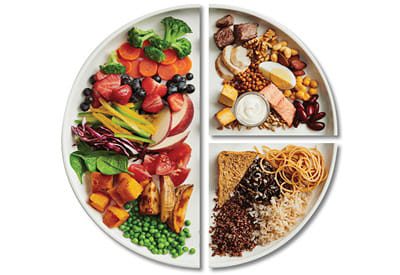
In clinical pediatric obesity nutrition care, dietitians teach patients how to change their habits instead of the old school practices of tracking calories, forcing unpleasant meal plans, and restricting foods. Teaching children how to monitor their portion sizes, add in sources of protein into snacks and to strive for a balanced plate is the gold standard treatment for how to prevent adult obesity in overweight children.
As adults, we easily fall off those habits because we eat out, we eat socially, and life happens. Over time, we develop habits that are based on necessity not nutrition.
Learning a new habit takes 4-6 weeks in order for it to become routine and not feel forced. Here’s a list of some simple eating habits you might want to consider as a way to improve your own health!
- Start early – eat breakfast! Your brain needs fuel, and the process of eating jump starts your body.
- Always add in a protein source with your snacks. Protein promotes satiety, and balances glucose.
- Critically evaluate your plate when you eat out. Is the portion size moderate? Can you add in vegetables?
- Eliminate sources of saturated fat. Switch to plant-based butter, switch from high fat meats to lower fat lean chicken, pork or turkey. Switch from hard cheeses and high fat dairy to lower fat cottage chesses and skim milk products.
- Add whole fruit to your daily routine – eat it for breakfast, or make it an automatic snack, replacing high carbohydrate, processed snack foods.
- Small everyday movements! Become aware of how much sitting you do in a day and change it. Get up every hour, park further way from the door, and decide to take the dog out for a walk. These changes add up.

Pick 3 and commit to a 30-day plan and track your progress daily! There is a reason I hand out monthly calendars to my patients – put it on your fridge and track your progress. You will be able to see your results at the end of the month, and if you stick to the habits, you will be giving yourself the gift of good health!