
Vegetarian Diets & Vitamin B12
The Energy Vitamin… Vitamin B12 is sometimes referred to as the “energy vitamin” because of its critical role in the process of converting the food we eat into energy. However, it also has many other roles that are equally important! Vitamin B12 is needed to produce red blood cells and to make nerve cells function properly. It also plays a key role in DNA synthesis – a process that is constantly occurring in your body. Energy from vitamin B12 is needed for your cardiovascular system, your brain health and cognitive function; even your mood is directly impacted by this vitamin. For all of these reasons, vitamin B12 is important to make parts of your body work efficiently and together. When you do not consume enough vitamin B12, the results can be dramatic – physical changes can occur that are visible like having a sore mouth or tongue, you can feel easily fatigued, develop nausea or diarrhea. In extreme cases, lack of vitamin B12 can even cause anemia (1).
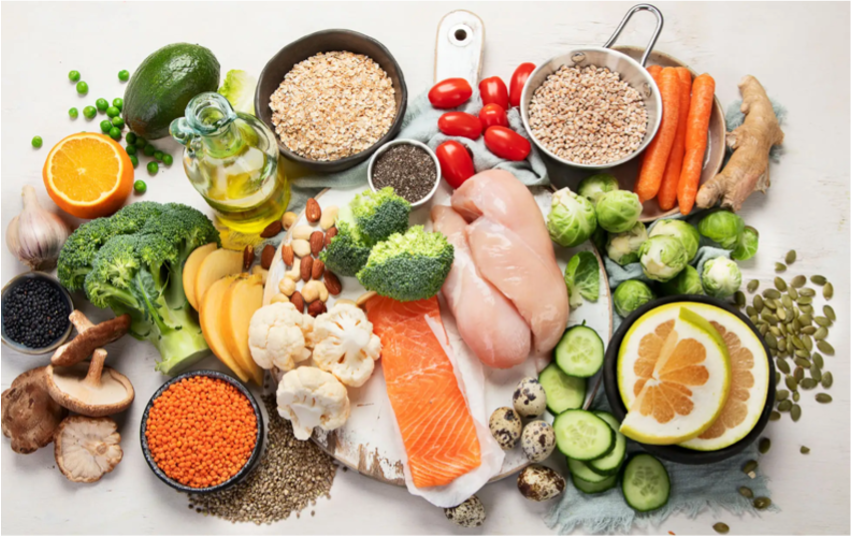
Food Sources… Vegetarians are susceptible to Vitamin 12 deficiency because the most bioavailable form of it comes from animal-based sources such as fish, chicken and dairy. However, the good news is there are plenty of plant-based options that contain vitamin B12 such as fruits, vegetables, legumes and fortified foods. Eggs are high in Vitamin B12 and can be part of a vegetarian diet. One key food group that vegetarians should pay attention to is fortified foods. Many cereals, grains, breads, plant-based milk and even tofu are fortified with not only B12 but other B-vitamins, minerals and even omega-3 fatty acids to boost their nutrient content (2).
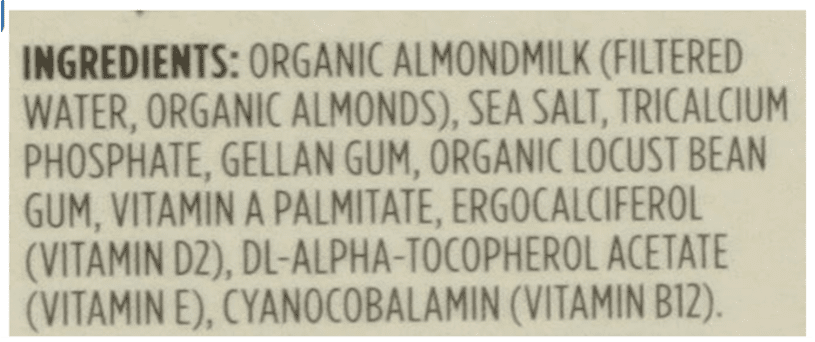
Label reading can be tricky, food manufacturers are not required to list the percentage of vitamin B12 in a product. Additionally, marketing information on the product like organic, gluten free or plant-based can obscure the facts about nutrient content. The only way to know if a product is fortified with vitamin B12 is to read the ingredient list. It is worth the effort to find products that have appropriate fortification, and then incorporate them into your regular diet. One other important note, fortification is different from enrichment. Foods that are enriched have been processed, and the original nutrient content has been added back in. Foods that are fortified have had new nutrients, that were not part of the original food, added to improve food composition and ultimately public health.

Supplements… The recommended intake of vitamin B12 for adults is 2.4 mcg per day. It is possible to meet that recommendation with one glass of fortified plant milk (oat, soy or almond), ½ teaspoon of fortified nutritional yeast, or three large eggs. There are small amounts of vitamin B12 in many fruits and vegetables. By paying close attention to your intake, planning your intake and carefully reading labels, it is possible to meet all of your daily needs while eating a vegetarian diet. Because of the critical role the vitamin plays in all aspects of human metabolism, and because it may be difficult to track daily intake, a regular supplement can help. Think of supplements as an easy way to ensure adequate intake every day. Oral supplements or injections may be required in the case of special populations like people who are pregnant, over the age of 75, have a gastrointestinal disorder, are vegan, are anemic or take certain medications like metformin. Vitamin B12 is water-soluble which means that it does not build up in your body like fat soluble vitamins, so excesses are excreted in urine. However, excessive doses of vitamin B12 unnecessary and costly – so supplementation should be approached with caution and based on need (3).
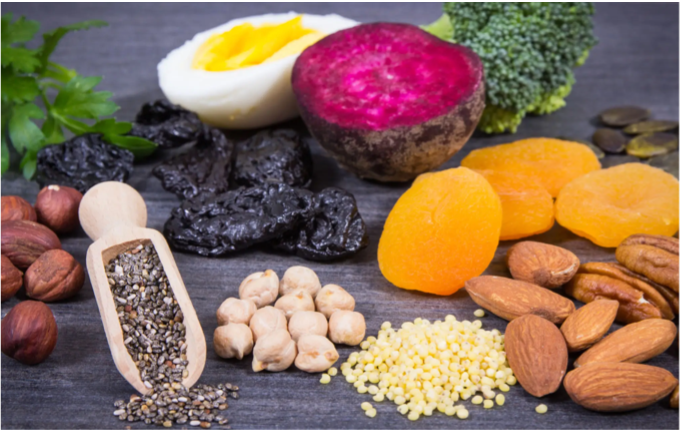
Bottom line… keeping your body revved up and working at its most optimal capacity requires adequate amounts of vitamin B12 – however vegetarians need to pay extra attention to ensure they get enough intake. Techniques like careful food planning, label reading and consuming fortified foods can really make a positive difference. Supplementation is a way to make sure every day regular intake is met; and special populations may require supplements. If you have questions about vitamin intake, supplements, or would like help planning your diet to optimize it for your own unique health needs, please speak to Registered Dietitian Nutritionist – an expert in medical nutrition needs and diet planning.
References:
